About 769 results found for "%20%20%20%20%20%20%20%20%20%20%20%20%20%20%20%20%20%20%20%20benaulim beach"
Miraculous Cross Bambolim
The Miraculous Cross of Bambolim, an iconic spiritual landmark in Goa, holds a rich history, evolving from a modest stone cross to a revered shrine, known for its healing powers and visited by people seeking solace and blessings, while its accompanying Holy Cross church, built in 1996, adds to its significance as a place of devotion and protection on the route to South Goa.

Indoor Rock Climbing at Equilibrium Climbing Station, Anjuna
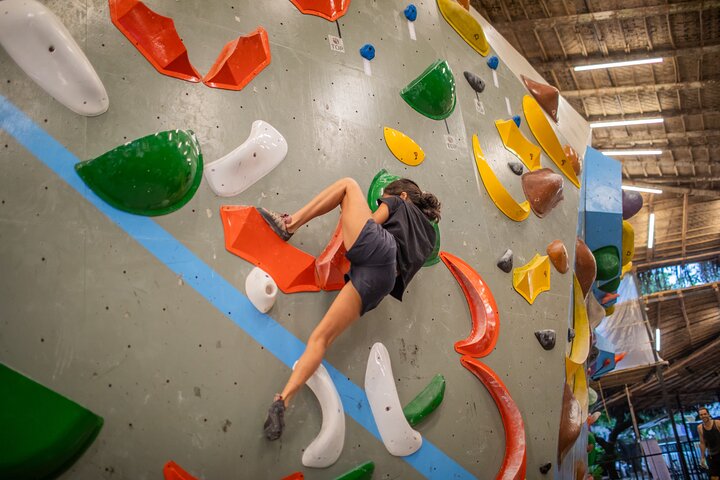
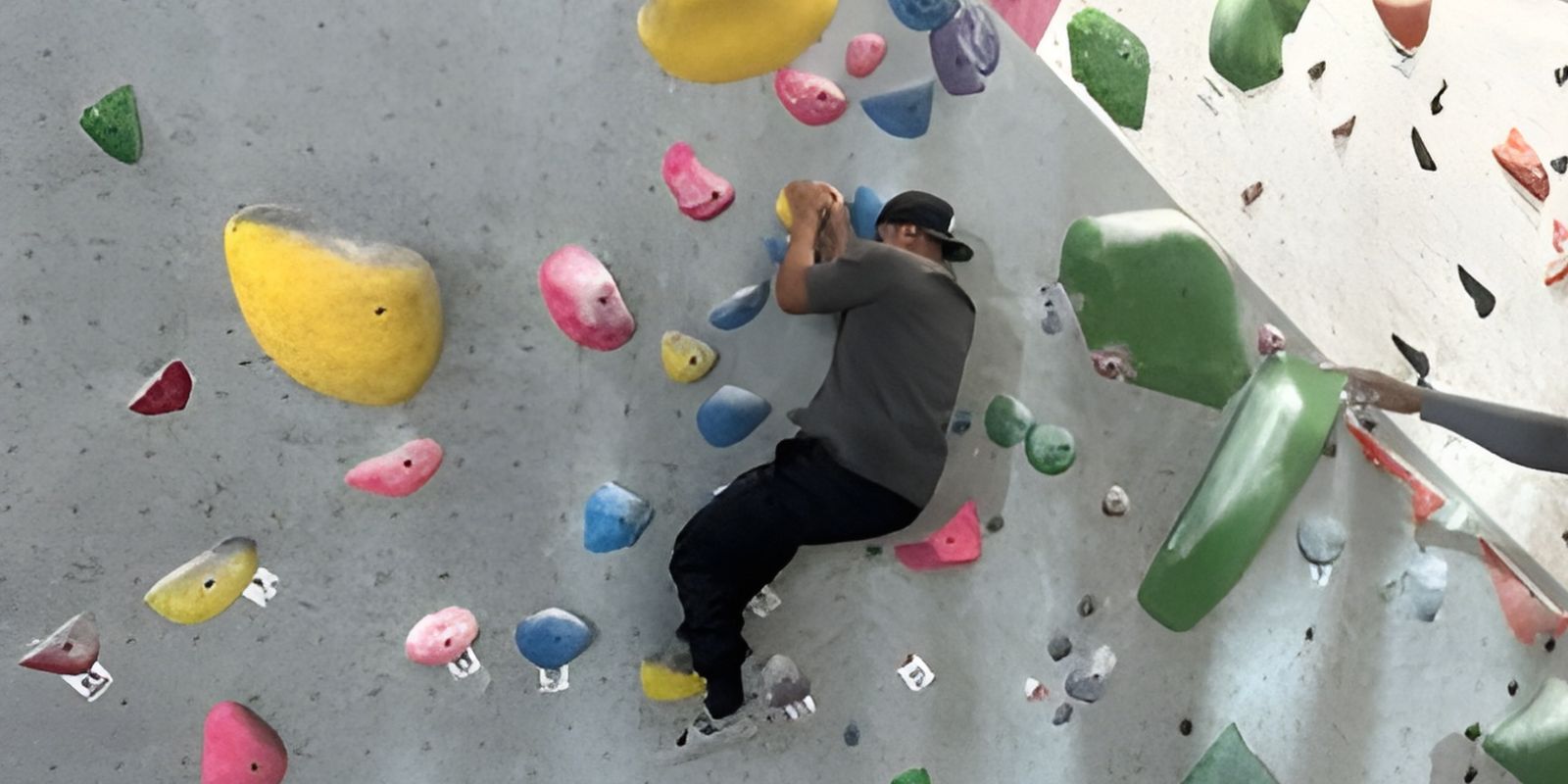
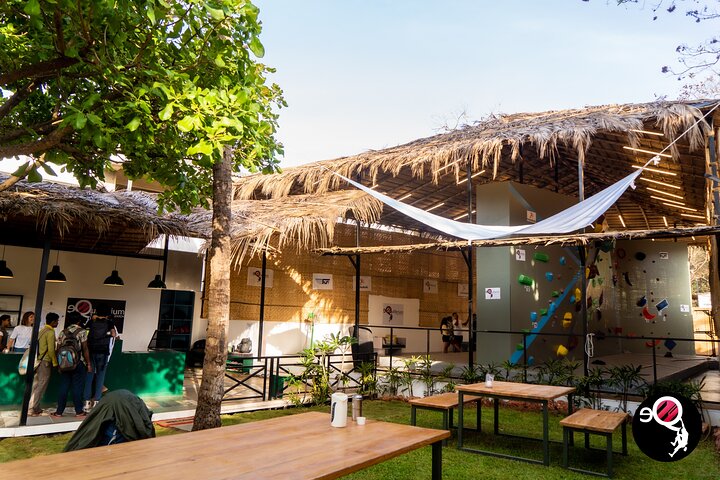
Equilibrium Climbing Station is North Goa’s only dedicated indoor bouldering facility. Located in Anjuna, it offers a controlled environment for rock climbing on shorter walls without the need for ropes or harnesses. Protected by thick, high-density safety mats, this gym is a popular choice for travelers looking for a physical challenge, a functional workout, or a reliable indoor activity during the Goa monsoon. Whether you are a first-time climber or an experienced athlete, Equilibrium provides a structured space to build strength, balance, and problem-solving skills.
Birla Radha Krishna Temple
In the tranquil coastal state of Goa, India, there lies a magnificent temple called Birla Radha Krishna Temple.

Mangrove Fishing Trip in North Goa
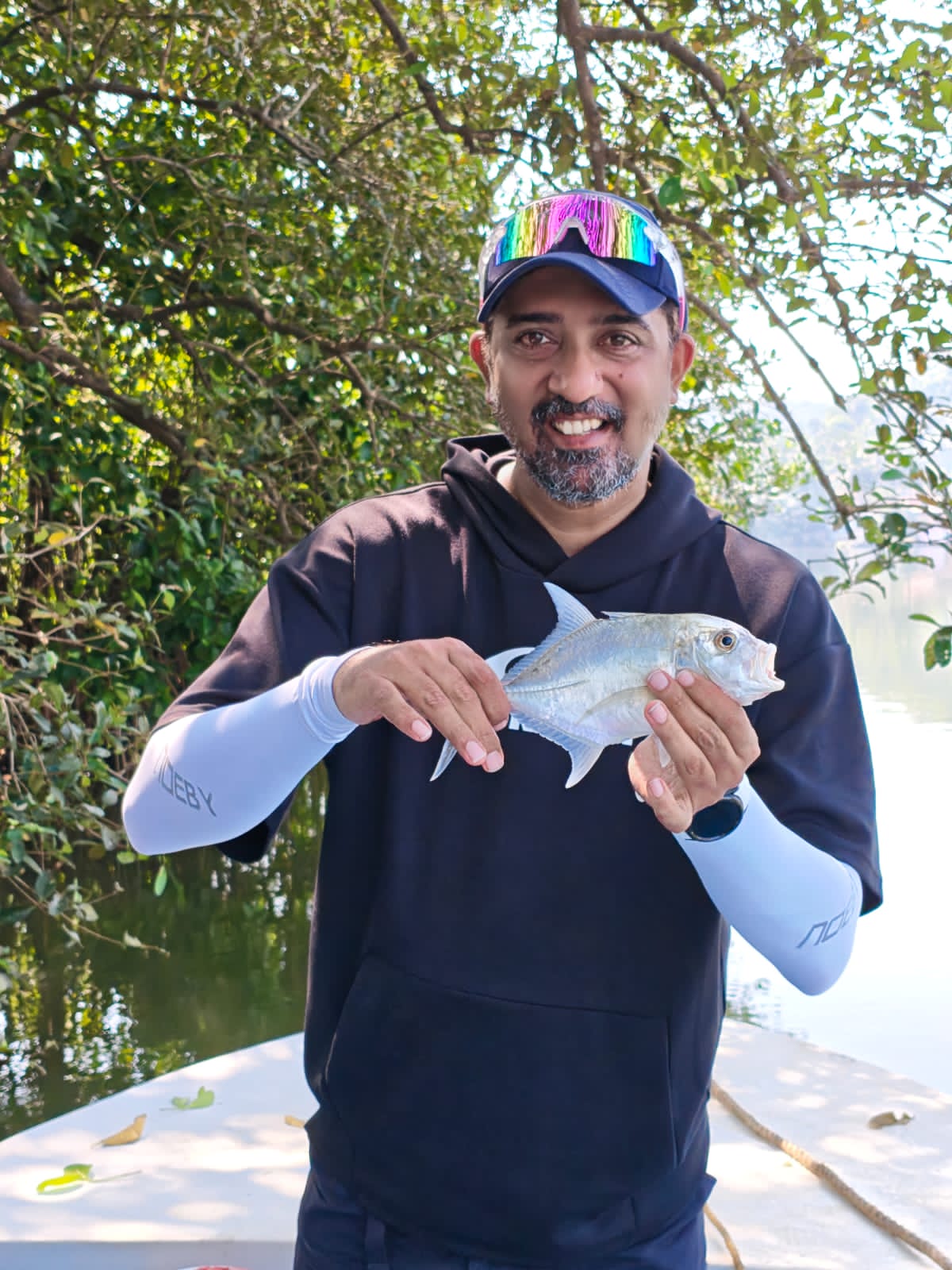
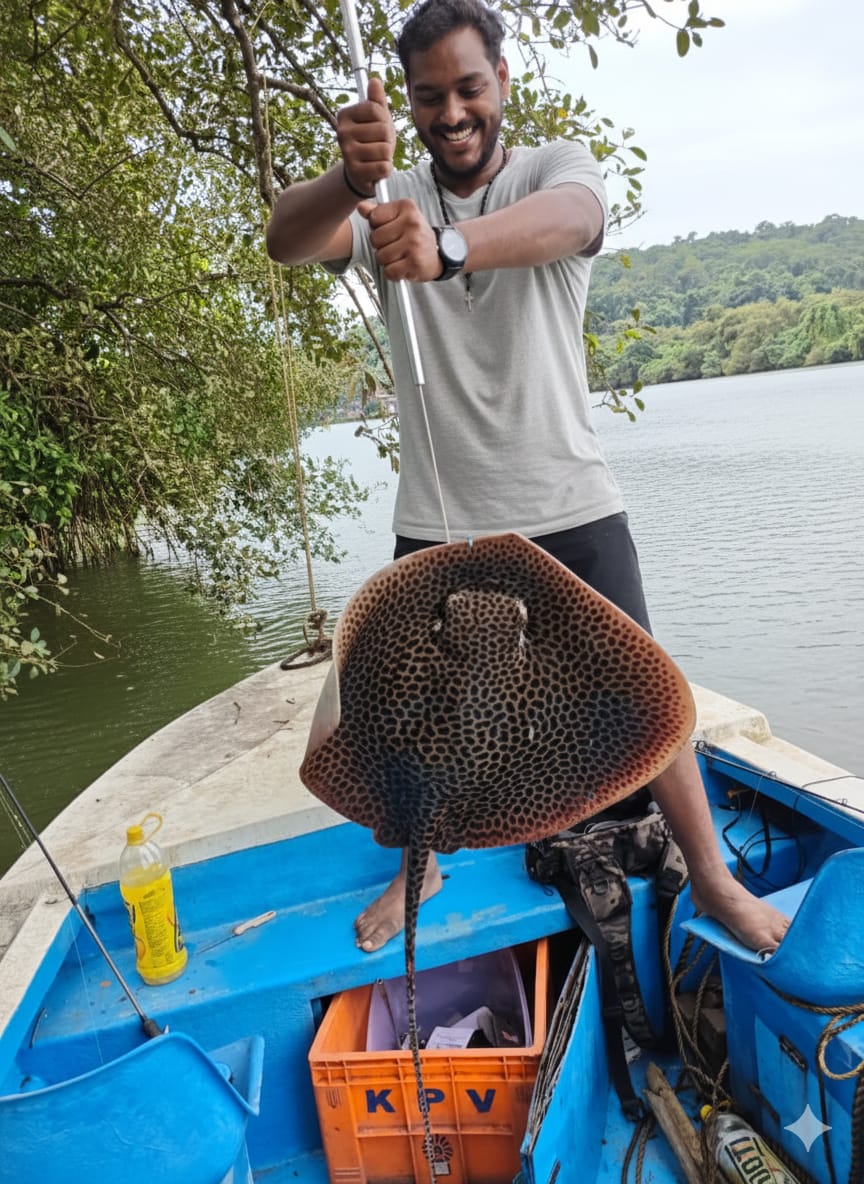
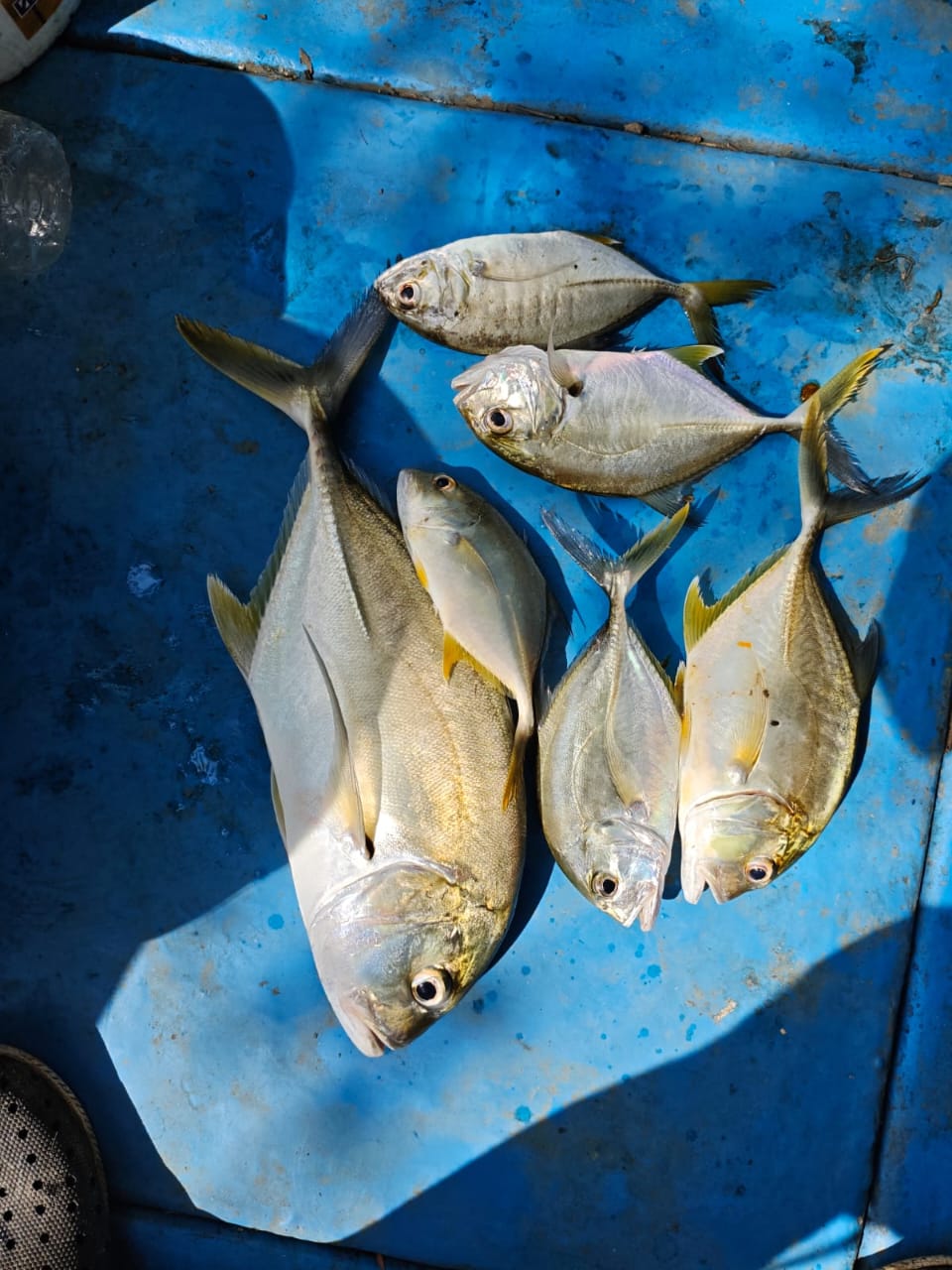
The Mangrove Fishing Trip in North Goa offers a practical and relaxing way to experience Goa's traditional backwater life. Departing from the riverbanks near Charao Island, this 2-hour activity takes you into the sheltered, winding channels of the Mandovi River's mangrove forests. Unlike deep-sea fishing, this experience is conducted in calm, shallow waters, making it an excellent choice for families, beginners, and those prone to seasickness. Guided by local fishers who understand the tides and seasonal movements of the fish, you will use traditional handlines to target species like Mangrove Snapper and Barramundi while surrounded by diverse birdlife.
Lairai Devi Temple
Lairai devi in Shirgao displays a combination of the northern and southern styles of art and temple design. The Shirgao Jatra is famous among devotees and tourists alike for the celebrated walk on hot coals raked from an enormous bonfire.

Divar Island E-Bike Tour
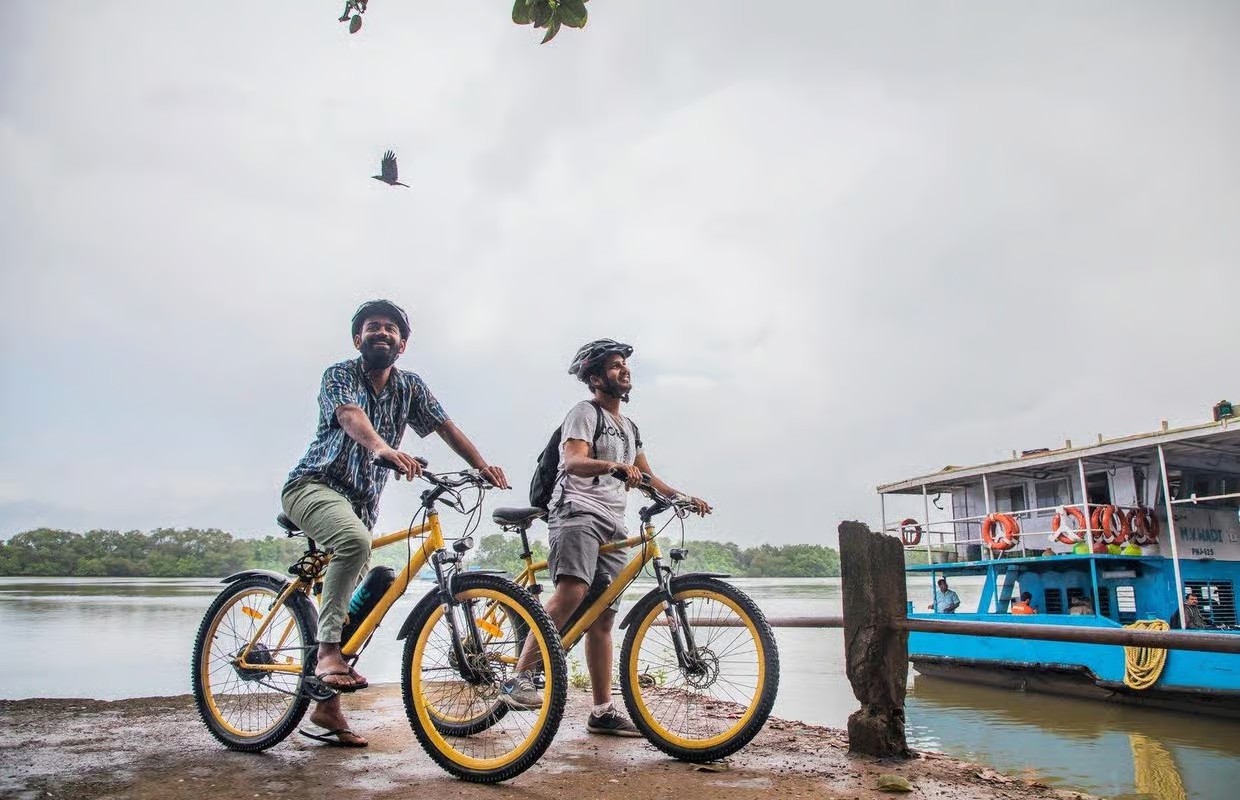
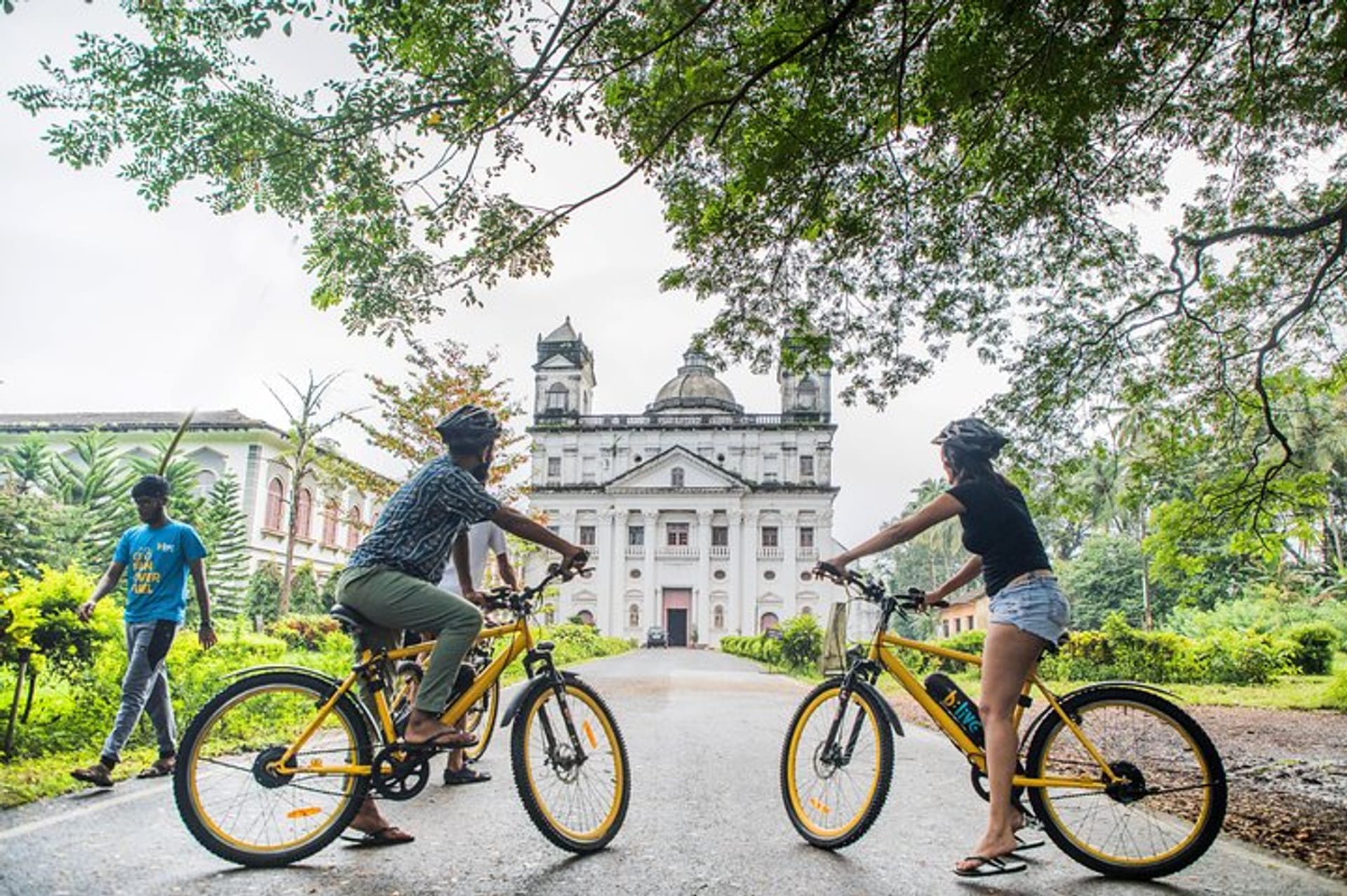
The Divar Island e-bike tour is a guided cycling experience that takes you through one of Goa's most well-preserved river islands. Located in the Mandovi River and accessible only by ferry, Divar offers a glimpse into a slower, traditional Goan lifestyle. Using electric-assist bicycles allows you to navigate the island's hilly terrain and winding village lanes comfortably, making it an ideal choice for travelers who want to see authentic architecture, ancient sites, and vast paddy fields without heavy physical exertion.
Mae de Deus Church
The Mae De Deus Church, located in Saligao, Goa, is a stunning example of Neo-Gothic architecture. Built in 1873, it is renowned for its pristine white façade and pointed arches, which make it one of the most picturesque churches in the region.

Natural Island Clay Bath and Goan Cultural Experience
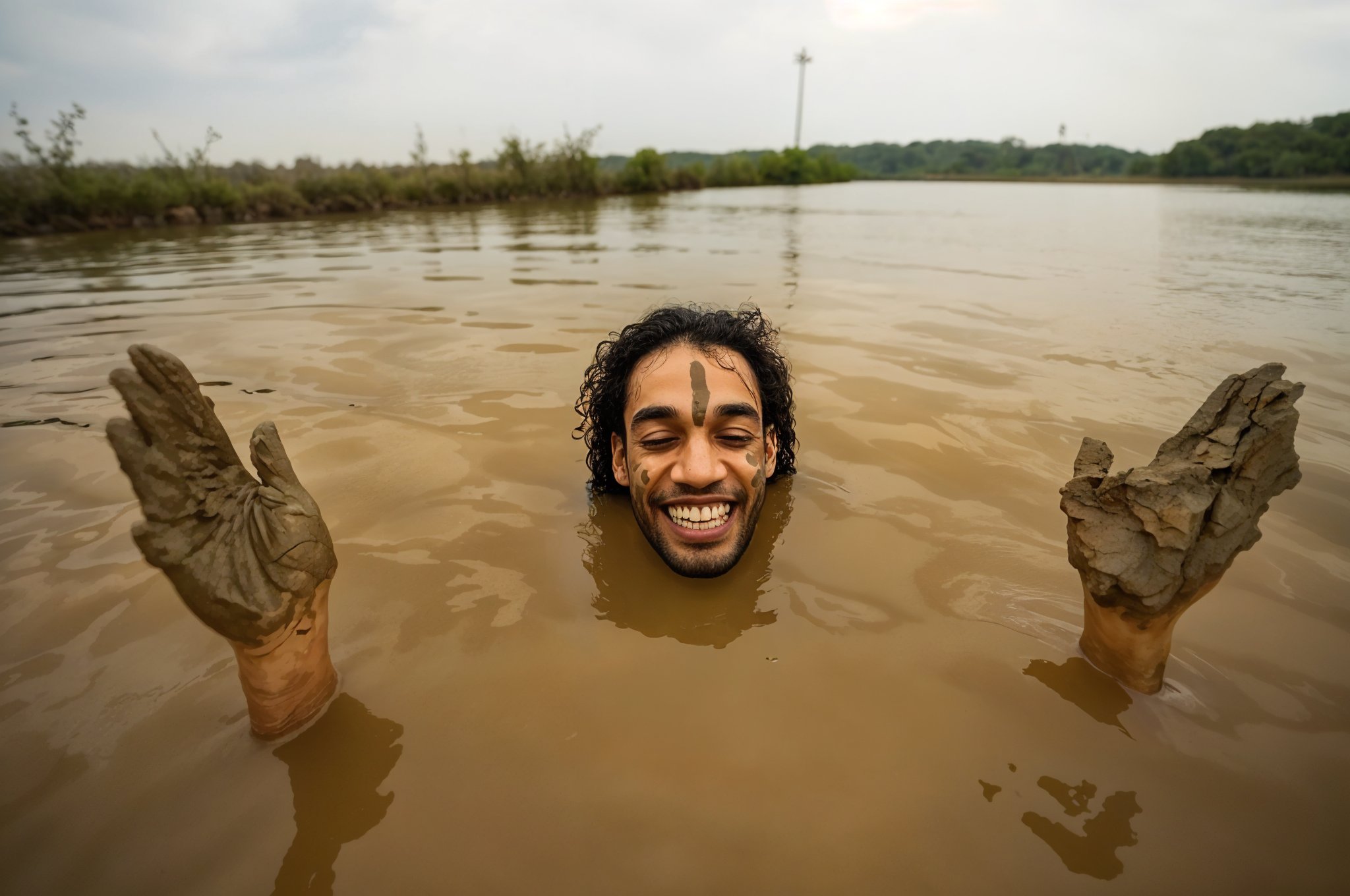
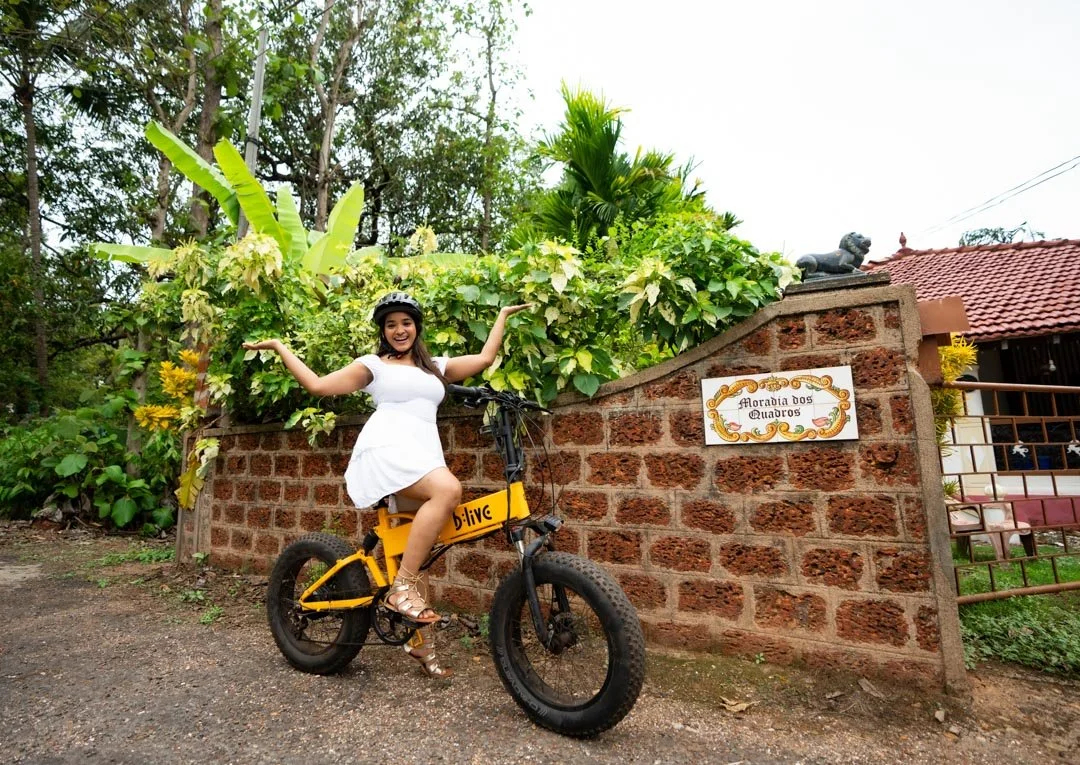
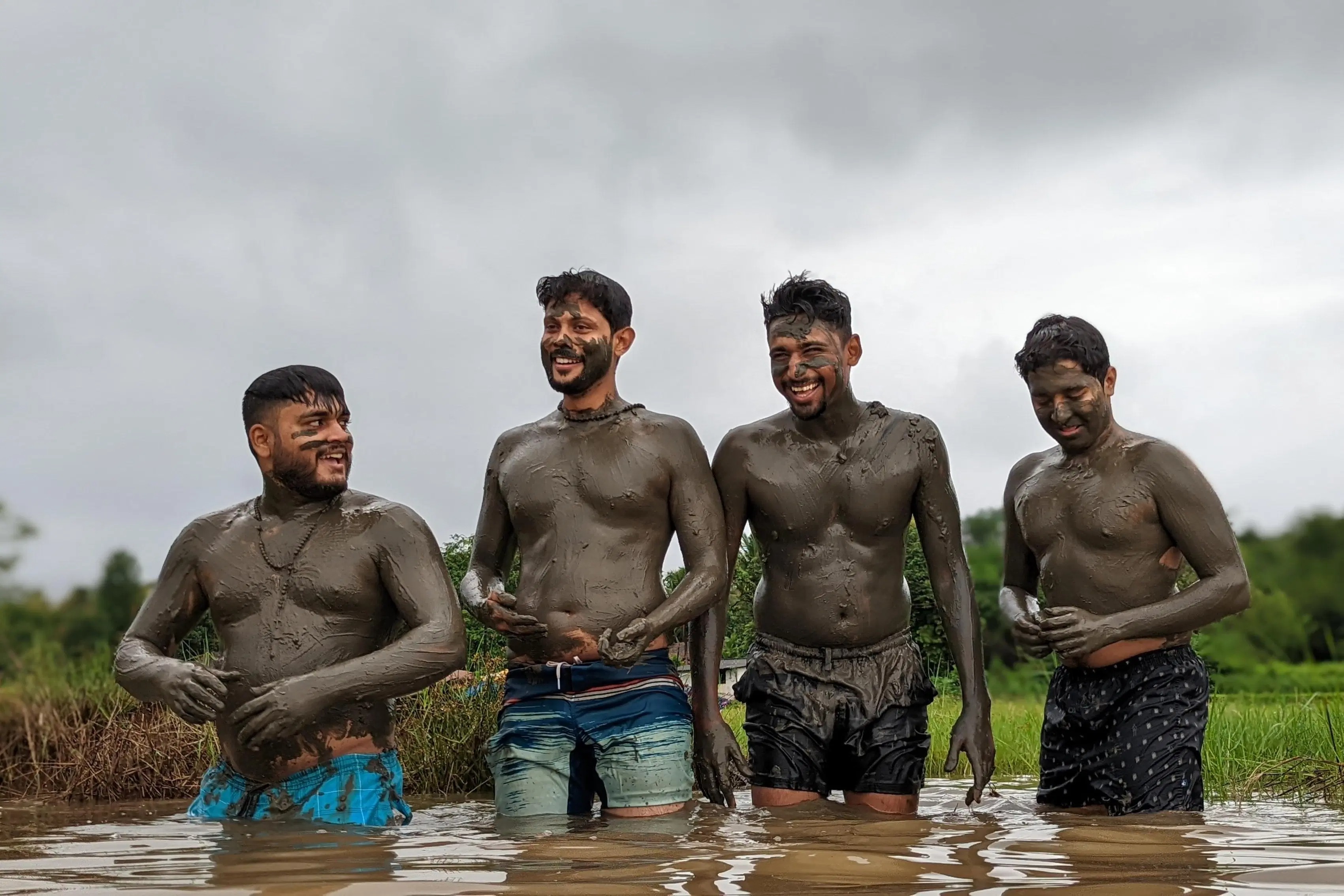
This experience combines a traditional Goan wellness ritual with deep cultural immersion on the quiet island of Divar. You will participate in a therapeutic laterite clay bath, explore local spirits through a Feni tasting session, and enjoy a multi-course Goan feast in a heritage Indo-Portuguese home. It is designed for travelers who want to slow down and experience the rural, authentic side of Old Goa.
St. Michael’s Church Taleigao
Popularly known as Taleigao Church, was founded by the Dominican order in Goa in 1544. It is amongst the oldest churches in Goa.

Island Hopping Tour in Old Goa: Divar, Chorao, and Vanxim
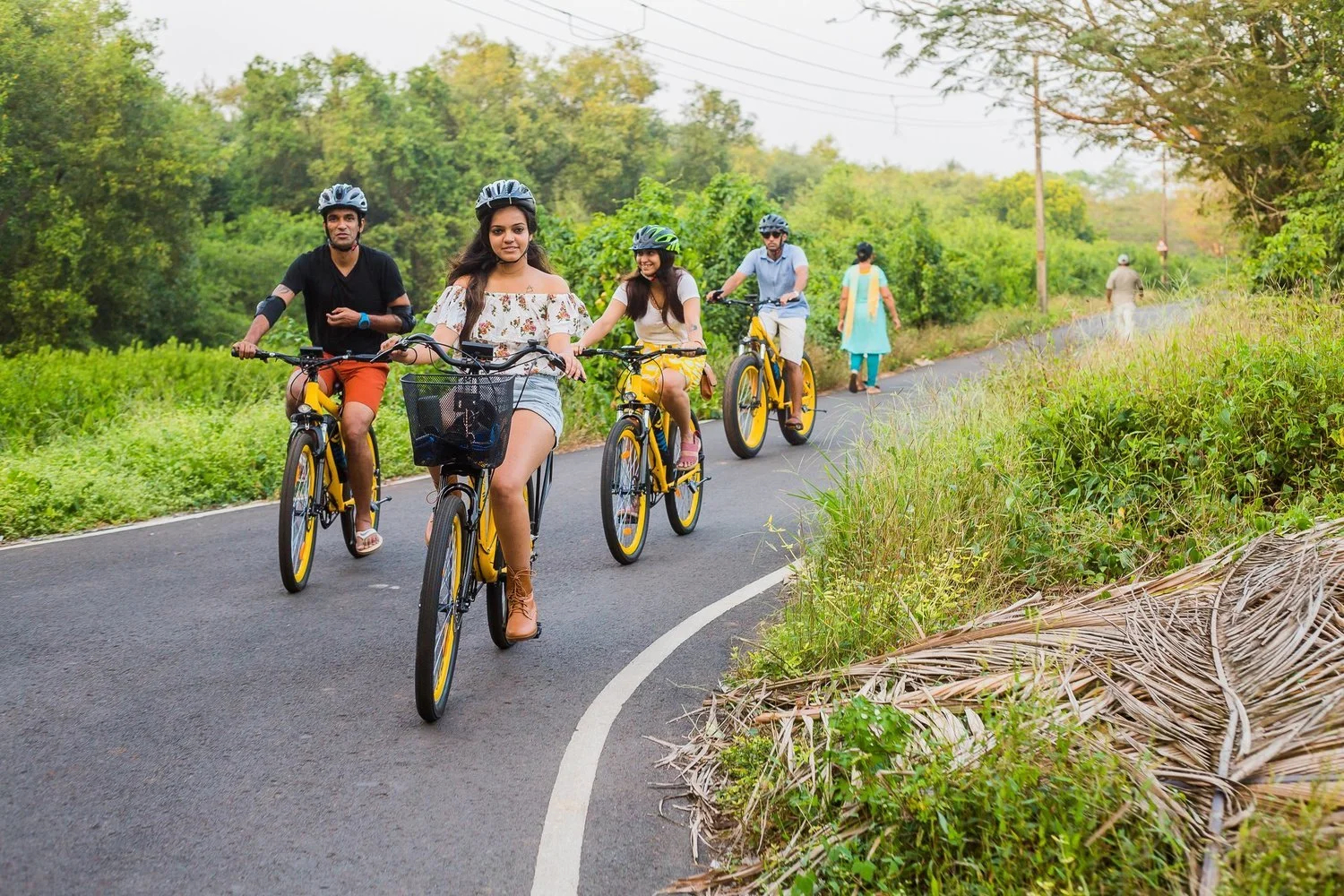
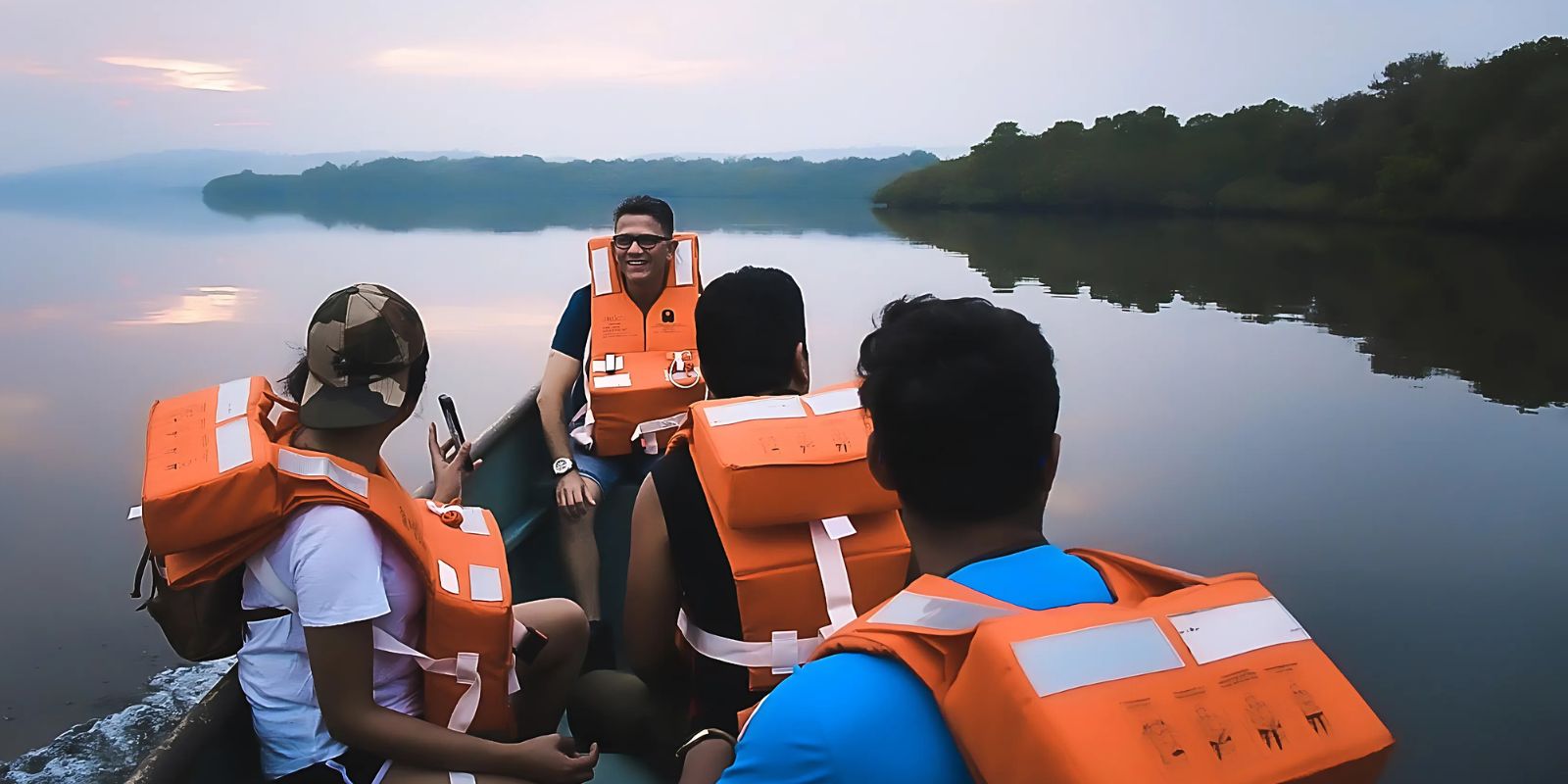
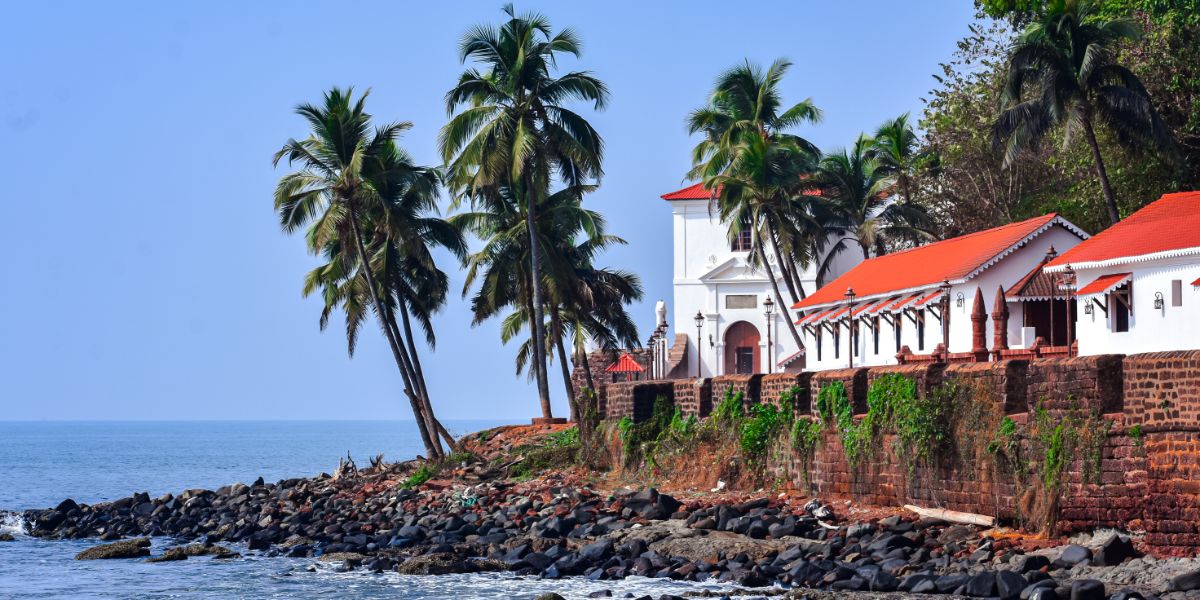
This guided island-hopping tour moves away from the coastal tourist hubs to explore the quiet, riverine heart of Goa. Traveling by boat and e-bike, you will visit three distinct islands in the Mandovi River—Chorao, Divar, and Vanxim. It is a practical choice for travelers interested in Goan heritage, birdwatching, and local village life, offering a slower pace and a look at the traditional 'Khazan' farming systems and Portuguese-era architecture.
